
A Complete Guide on Efficient ServiceNow CMDB Governance

A healthy Configuration Management Database (CMDB) is at the core of a reliable and scalable ServiceNow platform. As enterprises grow their IT environments, the challenge often lies not only in collecting configuration data but in governing it, ensuring accuracy, compliance, and security without slowing innovation.
Your ServiceNow CMDB governance strategy should empower you to oversee data integrity, reduce risks, and maintain control while supporting business agility.
This comprehensive guide unpacks how you can establish a robust governance model tailored for your ServiceNow CMDB, aligned with real-world pain points and industry best practices. The aim is to provide you with actionable insights and the confidence to evolve your platform sustainably.
What Is ServiceNow CMDB Governance?
ServiceNow CMDB governance refers to the frameworks, policies, and processes used to maintain the accuracy, completeness, and security of your configuration data. It governs how Configuration Items (CIs) and their relationships are controlled, updated, and audited across the enterprise.
You want governance because uncontrolled changes, fragmented ownership, and lack of oversight lead to poor data quality and operational risks. Without governance, your CMDB can become inaccurate or inconsistent, resulting in potential compliance gaps.
Strong CMDB governance provides:
- Visibility and control over your configuration data lifecycle
- Mechanisms to reduce technical debt and risk
- Assurance that critical data adheres to security and regulatory requirements
- Support for scalable, enterprise-wide platform stability
CMDB Governance Policies
To govern well, you need policies tailored to your organization’s needs but practical enough to be adopted consistently. Some core policy areas include:
Data Quality Standards
Define required attributes, naming conventions, and expected relationships for CIs. Set measurable KPIs for completeness, correctness, and compliance.
Change and Update Processes
Specify how changes to the CMDB occur, distinguishing automated discovery updates from manual interventions. Controlled workflows should be established for sensitive data to prevent unauthorized edits.
Access Controls and Security
Implement strict role-based permissions governing who can view, modify, or delete data. Policies for protecting personally identifiable information (PII) and sensitive asset data are critical.
Audit and Compliance Schedules
Regularly review CMDB data integrity through automated health checks and manual audits. Define reporting and corrective action procedures for issues discovered.
Data Lifecycle and Retention
Establish clear retention policies that meet legal and operational requirements, including data archiving and removal.
Roles for ServiceNow CMDB Management
You are not alone if you struggle with unclear responsibilities around CMDB ownership. Successful governance starts with identifying and empowering the right stakeholders to own the data and manage processes.
We recommend using these roles to help avoid process overlaps and the potential bottlenecking of updates. Key roles include:
- Platform Owner: Owns the overall governance framework and ensures it aligns with wider IT strategy and enterprise policies.
- Configuration Manager: Oversees the implementation and ongoing maintenance of the CMDB, validating updates and managing exceptions.
- Data Owners (per CI class or domain): Responsible for the accuracy and integrity of their assigned Configuration Items.
- Data Stewards: Perform day-to-day data quality activities, including validation, correction, and compliance checks.
- Governance Board or Configuration Control Board: Provides oversight, approves policies, and arbitrates escalated issues.
- Security Administrators and Auditors: Ensure compliance with security standards and conduct periodic audits.
Can Automated Tools and AI Assist in CMDB Governance?
Governance is no longer a purely manual task. The complexity and scale of modern IT environments demand automation and AI-powered tools to maintain healthy CMDBs.
AI governance ServiceNow agents are increasingly valuable for continuous auditing. They can monitor ownership accuracy, enforce lifecycle policies, and surface proactive recommendations before issues escalate. Data certification and attestation cycles ensure that records remain trustworthy for operational use and audit readiness.
Workflow automation further strengthens control by embedding approval and update processes directly into the platform, improving traceability without frustrating users.
When automation and governance work together, you reduce manual burden while increasing reliability. The result is a CMDB that is both scalable and resilient.
Practical Tips for Operating CMDB Governance
The transition from planning to operational governance is crucial. Here are practical steps you can take:
- Establish Governance Team and Processes: Assemble your governance board, clarify roles, and document your policies.
- Define and Deploy Data Models: Use frameworks like the Common Service Data Model (CSDM), to standardize CMDB structures.
- Implement Data Intake and Update Workflows: Differentiate which CI classes require manual requests and which can be updated automatically.
- Set Monitoring and Reporting Cadences: Use dashboards and automated audits to track data quality and compliance continuously.
- Schedule Regular Data Quality Reviews and Remediation: Host data quality meetings with owners and stewards to prioritize correction activities.
- Integrate CMDB Governance with Business Processes: Position the CMDB as a trusted source for ITSM, servicenow security, asset management, and finance.
- Communicate Success and Value: Share governance wins across departments to build enthusiasm and organizational buy-in.
Following these steps helps you develop a self-sustaining, trustworthy CMDB governance practice that benefits your ServiceNow environment long term.
How Does XType Support ServiceNow Platform Owners in CMDB Governance?
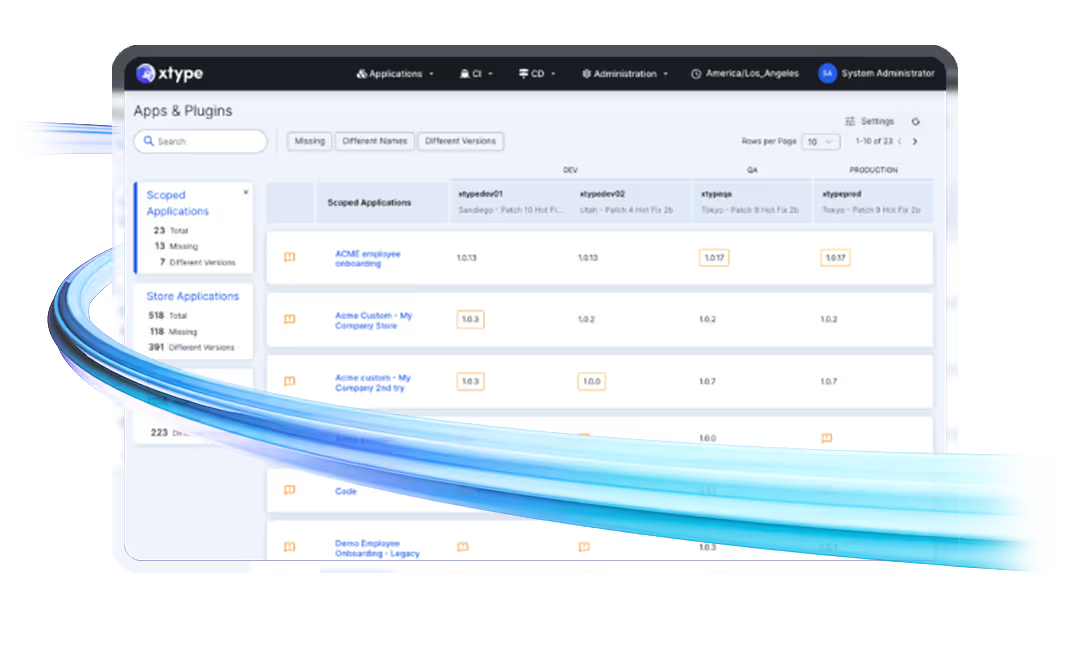
Given the challenges of CMDB governance, XType offers an enterprise-class ServiceNow governance platform tailored for ServiceNow environments.
XType delivers structured, automated governance aligned specifically to ServiceNow environments. It enables you to enforce data quality standards without slowing innovation, manage change safely through aligned workflows and audit reporting, and reduce risk by preventing misconfigurations or unauthorized updates. It also provides centralized visibility across departments, regions, and business units, supporting scalability and regulatory compliance.
By partnering with XType, you can build CMDB governance that not only protects the integrity of your platform but also empowers faster, smarter growth. Your ServiceNow investment is safeguarded, and you gain peace of mind knowing your CMDB data is accurate and compliant enterprise-wide.
Ready to explore how XType can transform your ServiceNow platform governance approach? Contact us today to begin the journey toward a healthier, more controlled ServiceNow environment that supports your enterprise mission.


Related Articles


.jpg)